

kimayaclinicpune.com

Best Piles Specialist in wanowrie, pune

About Us

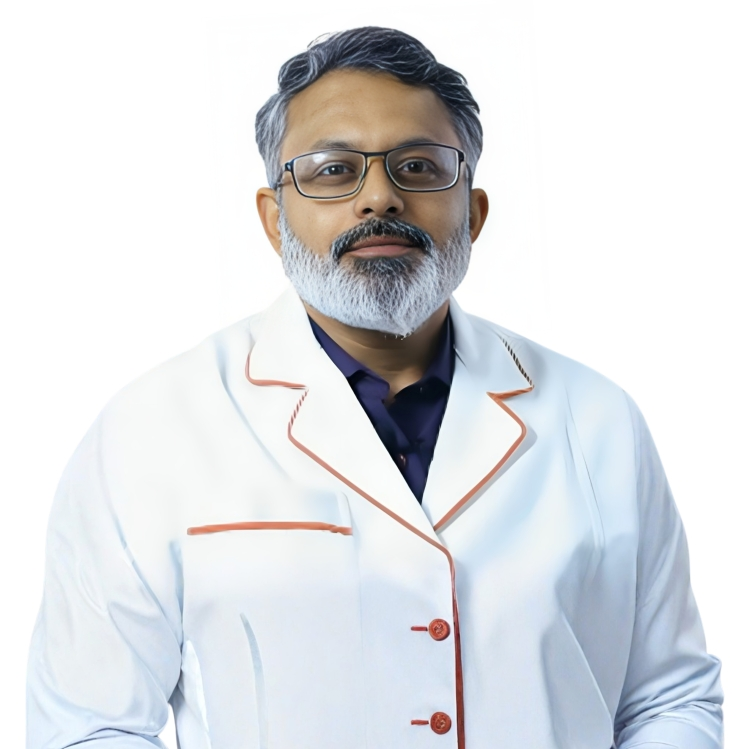
Dr. Milind Joshi is an expert and experienced General Surgeon, Proctologist, and Laparoscopic Surgeon with over 25 years of experience. He specializes in Proctology, Vascular surgery, Laparoscopic procedures, and Urology. Dr. Joshi graduated with his MBBS from Grant Medical College and Sir JJ Group of Hospitals, Mumbai in 1999, followed by his MS in General Surgery from the same institution in 2006. Currently, Dr. Joshi practices at Kimaya Clinic in Pune.

Fluent in English, Hindi, and Marathi, Dr. Joshi provides compassionate, patient-centered care to ensure the best possible recovery. Known for his caring nature, hard work, and availability at all hours, he is highly regarded by his patients.

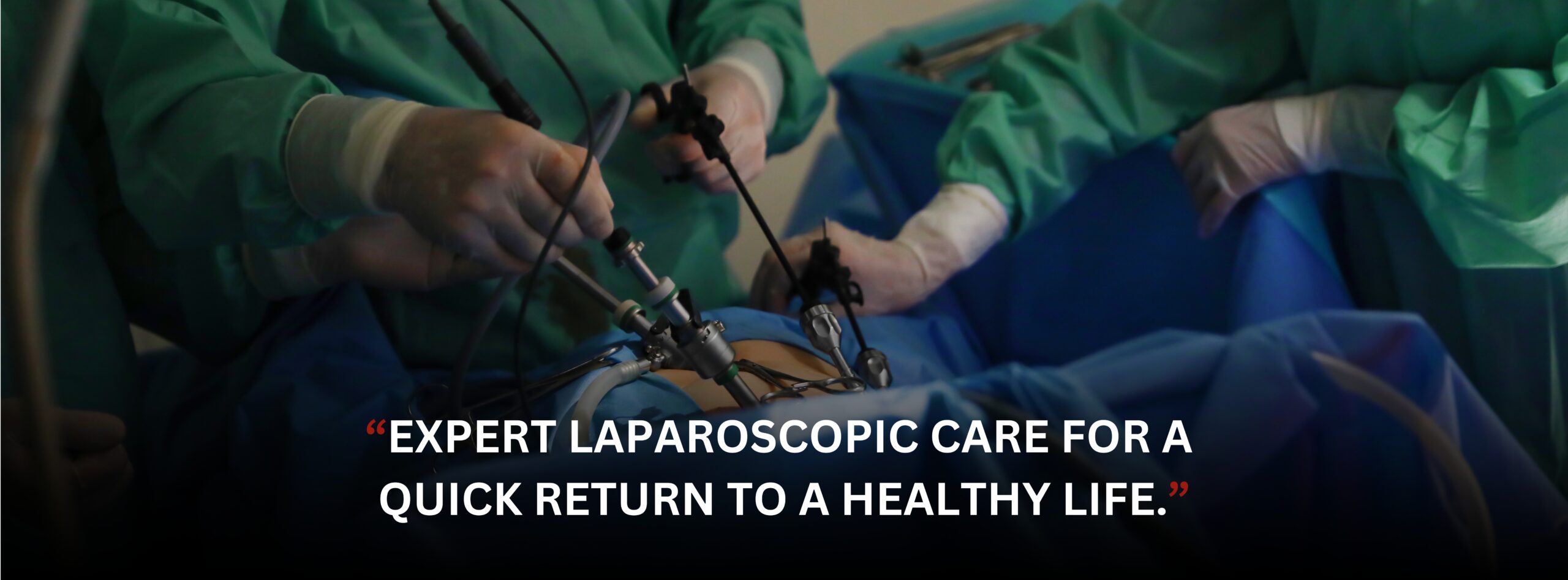
Laparoscopic/Robotic Surgery in Pune

Our treatments focus on Laparoscopic/Robotic surgeries like Hernia, Gallstone,
Appendix, Hiatal Surgery and Hysterectomy.
Anal Polyps Removal in Pune | Kimaya Clinic Wanowrie

Appendectomy

Laparoscopic appendectomy is a minimally invasive surgery used to remove an inflamed appendix through small 3–4 tiny cuts instead of a large open incision. It is the most preferred and safest method to treat appendicitis, as it allows
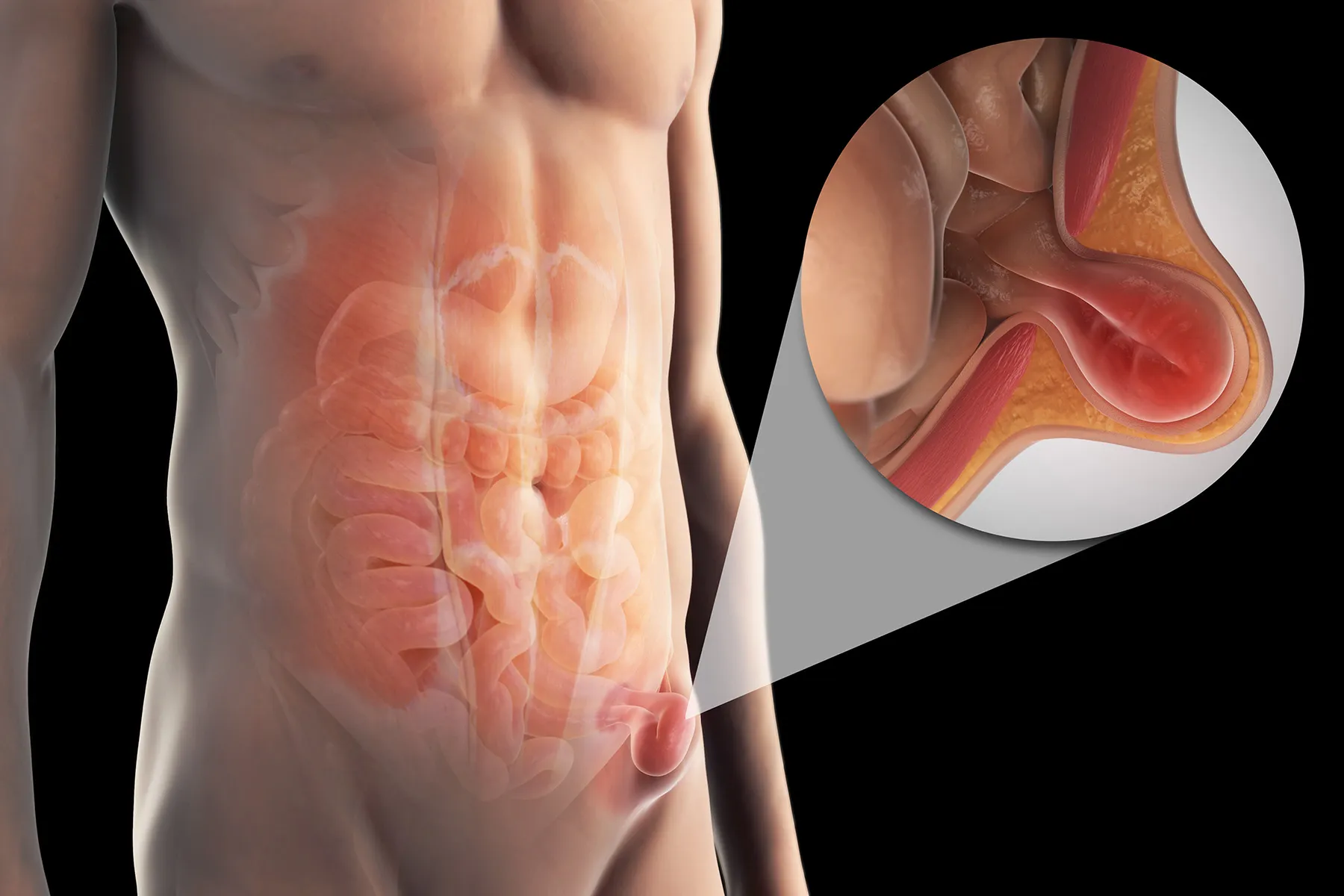
Hernia Treatment

A hernia is a gap or area within the sturdy tissue that holds muscle mass in place. A hernia takes place while the interior layers of the belly muscle have weakened, resulting in a bulge or tear.
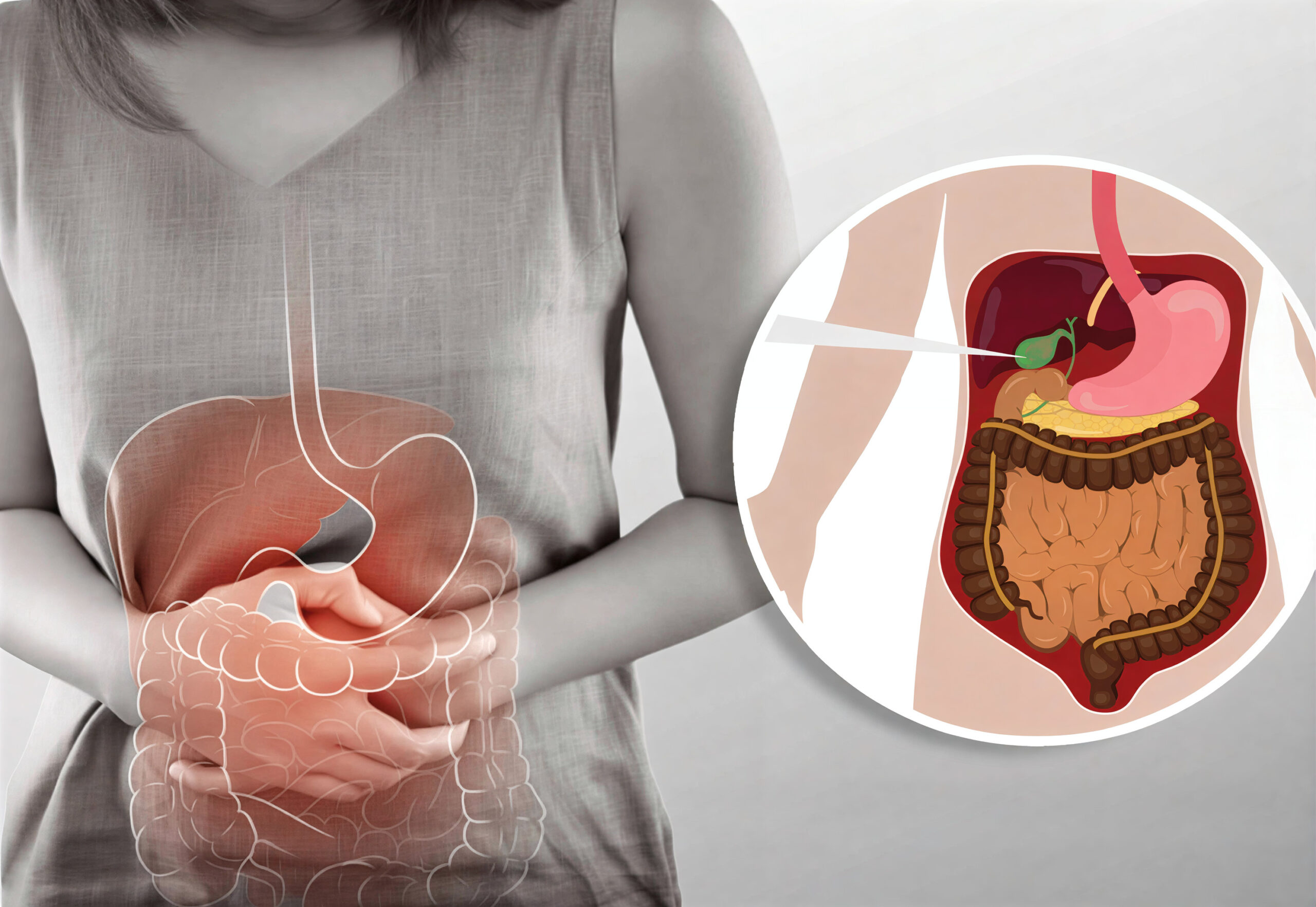
Laparoscopic Gallbladder Surgery in Pune | Kimaya Clinic – Dr. Milind Joshi

Gall Bladder Treatment

Gallstones are solid particles that form from bile cholesterol and bilirubin in the gallbladder. The gallbladder is a small pear-shaped sac-like organ in the upper right part of the abdomen. It is located under the liver, just below the front
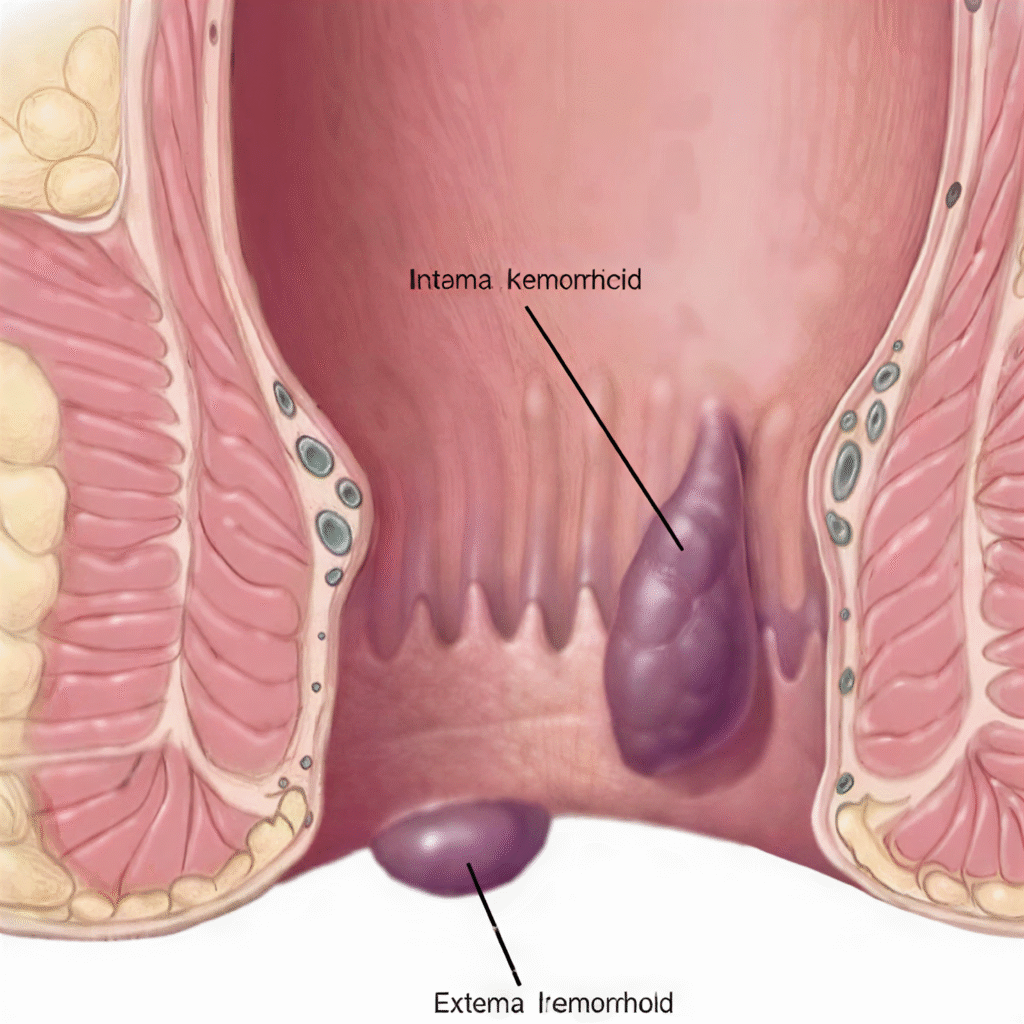
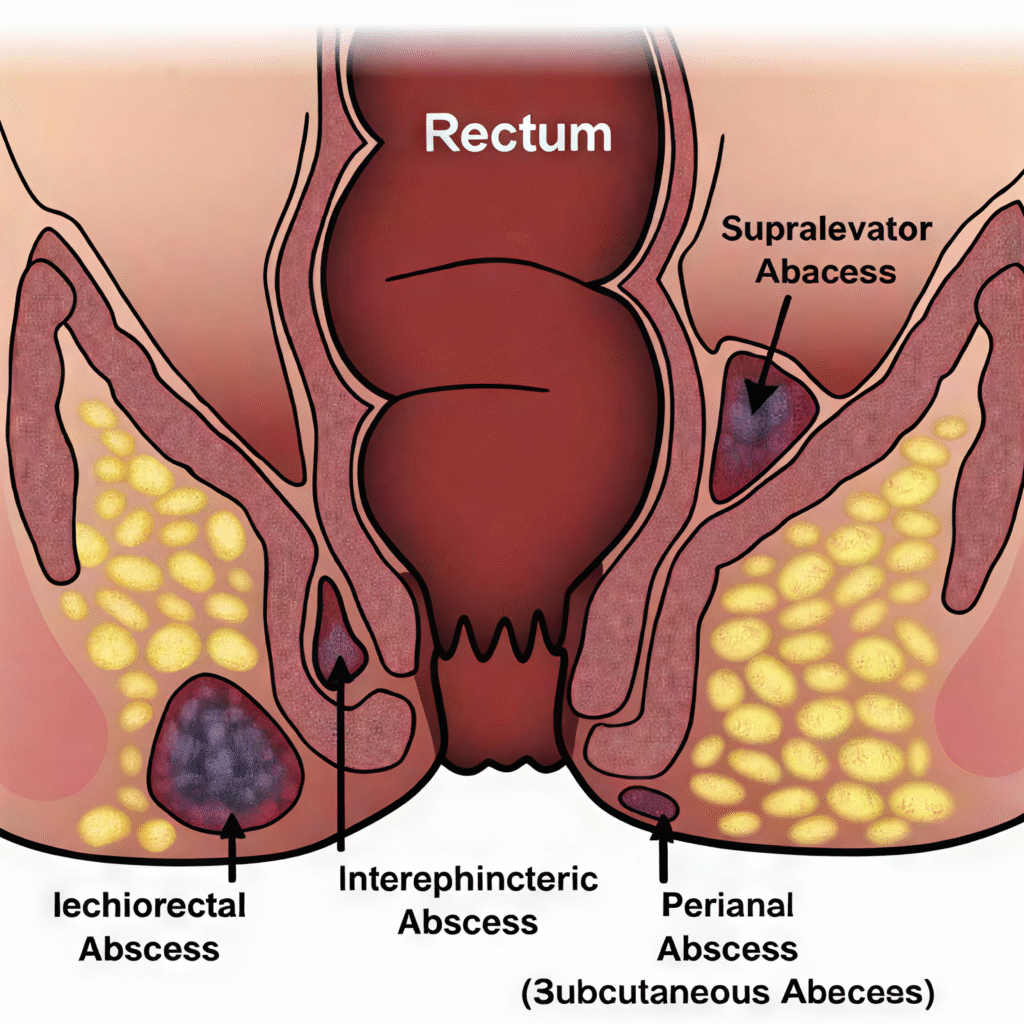
Piles Laser Surgery Treatment in Pune

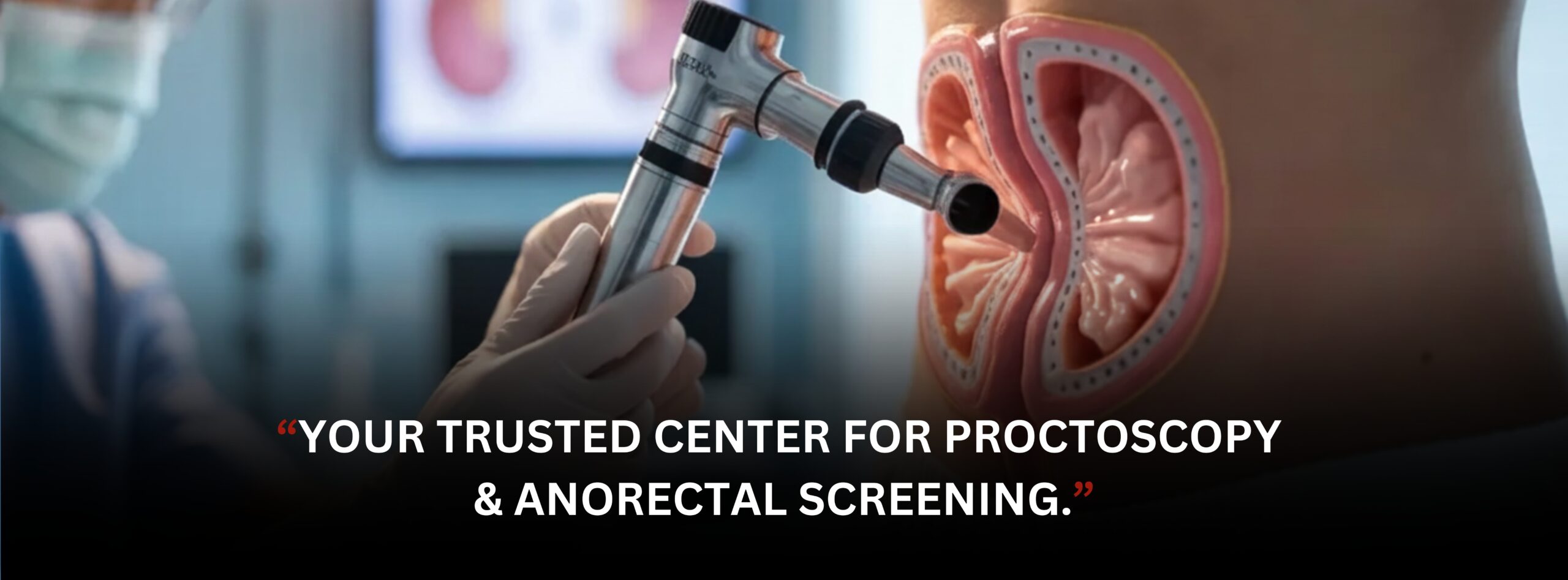
Our treatments focus on Anorectal disorders like Piles, Fistula, Fissure,
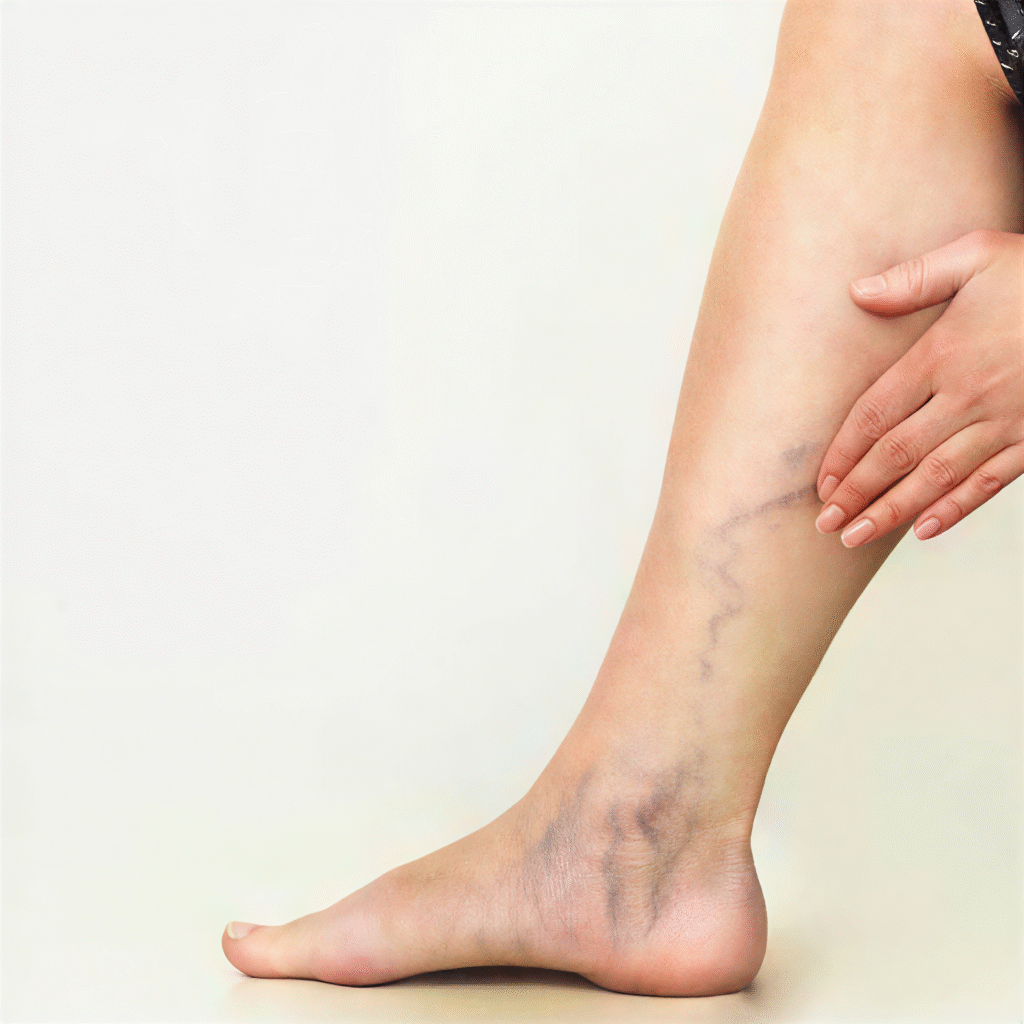
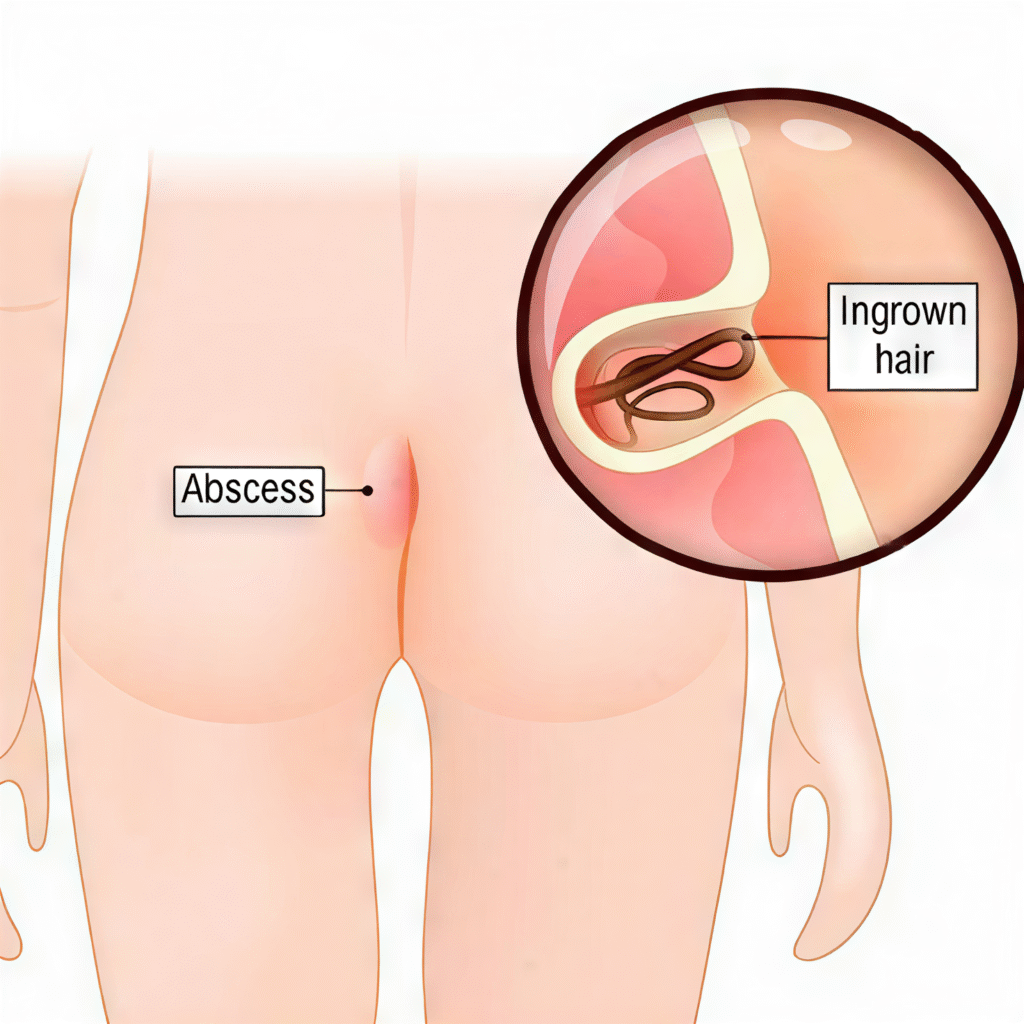
Constipation, Pilonidal Sinus & Varicose Veins.

Anal Warts Treatment in wanowrie, pune
Years Of Experience
0 +
Expert Doctors
0 +
Happy Patients
0 +
Google Rate
0 +
Years Of Experience
0 +
Expert Doctors
0 +
Happy Patients
0 +
Google Rate
0 +

Expert Care FAQs:

Dr Milind Joshi | Kimaya Clinic | wanowrie, pune
Why Painless Laser Treatment

Laser (Light Amplification by Stimulated Emission of Radiation) is a high-energy light that is used to safely cut or burn the affected tissue during surgical procedures. The laser techniques are advanced and safer than before; they are scar-free, bloodless and less painful with fewer complications.

  • No cuts & No stitches
  • Does not occur again
  • 30-40 Min Procedure
  • Extreme Pain while sitting
  • Excessive Bleeding in stool
  • Rectum Prolapse
  • Anal Cancer
  • Discharge of blood or pus from the anus

Adult hernia never gets better with time. Surgery is the only way to cure a hernia as it cannot go away on its own.

There is tremendous evolution in the surgery of hernia. It can be done by an Open approach with or without mesh application or the second approach which is gaining more popularity nowadays is – Laparoscopy.

Laparoscopic hernia surgery is a minimally invasive approach that involves the use of laparoscopy and allows a laparoscopic surgeon to repair the weakened area through several small incisions (about a half-centimeter), the hernia sac is removed, and if required closure of the defect. This closure is accomplished by attaching a mesh patch to the outside of the abdominal wall just beneath the layer of muscle.

Due to the use of mesh, the chances of reoccurrence of hernia are significantly decreased.

Complications after hernia surgery are generally divided into two types—those related to the surgery itself and those related to the patient’s health. Although the chances are low, complications such as infection, bleeding, or injury to surrounding structures may occur. The risk increases if the patient smokes, consumes alcohol heavily, uses drugs, or has other underlying medical conditions.

  • Minimal pain, allowing patients to return to work much faster compared to open surgery.

  • Quicker healing, which supports an early return to work and normal daily activities.

  • Better for recurrent hernias, as laparoscopic techniques make repair easier.

  • Ability to detect and repair a second hernia on the opposite side during the same procedure, if present.

Scroll to Top